


A credit card cash advance lets you withdraw cash against your credit limit—usually at an ATM or through a branch—rather than swiping for a purchase. In Canada, that convenience comes with clear trade-offs: there is typically no interest-free grace period, the cash-advance rate is often higher than the purchase rate, and interest runs from the day you take the money until you repay it in full.
The Financial Consumer Agency of Canada (FCAC) explains how cash advances fit into how credit cards work. Use that official guidance as your baseline, then check your own cardholder agreement before you withdraw a dollar.
What a credit card cash advance is
In plain terms, you borrow cash from the unused portion of your credit limit. The advance posts to your account as a cash (or cash-like) transaction, not as a regular retail purchase. You still owe the issuer; you have simply converted credit into cash you can spend anywhere cash is accepted.
Cash-like transactions—such as certain money orders or similar cash substitutes—are often treated the same way: no grace period and cash-advance pricing. Confirm the labels on your statement so you know how the issuer coded the transaction.
How you take a cash advance in Canada
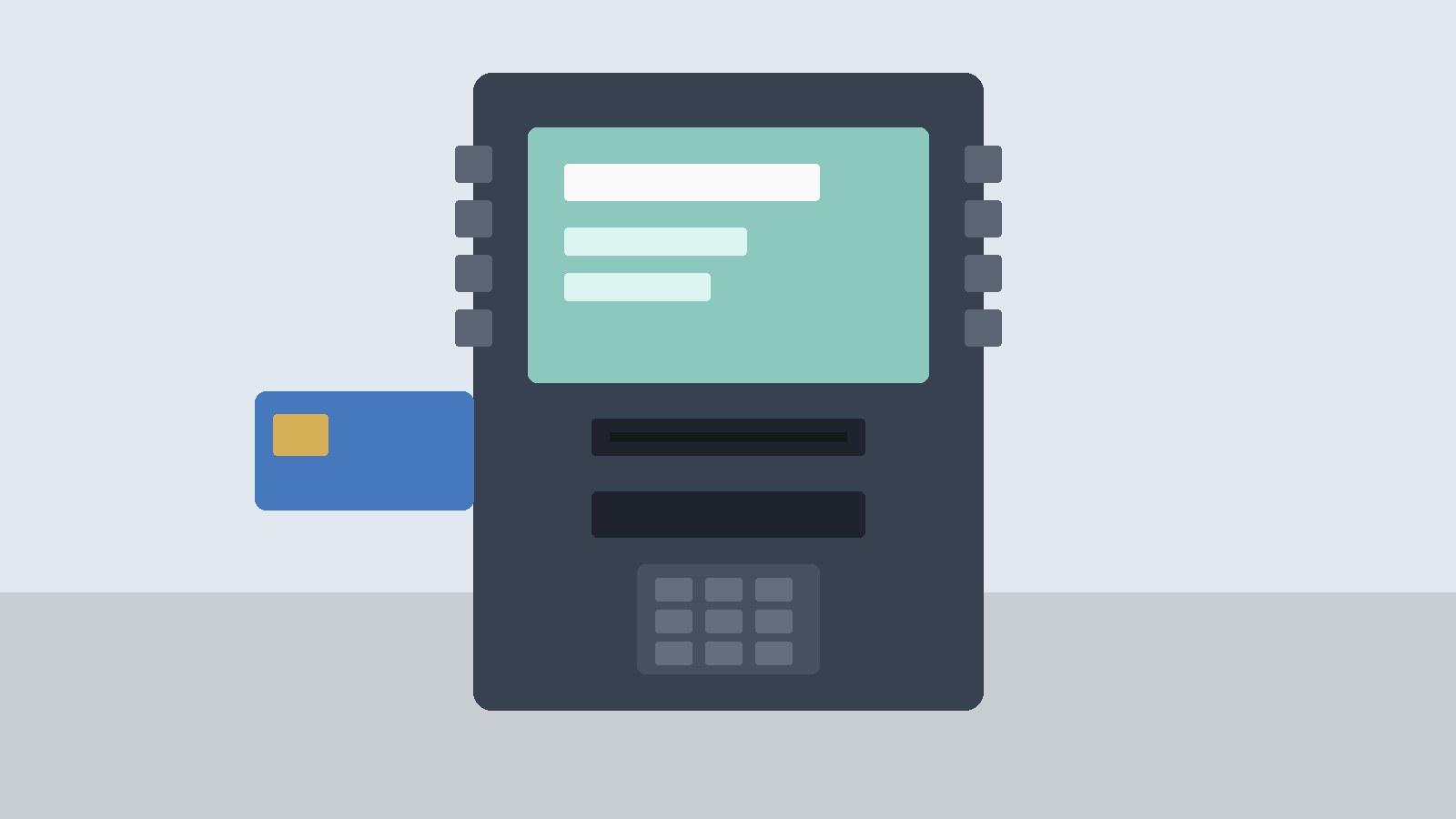
Most Canadians complete a credit card cash advance by entering the card PIN at an ATM, requesting cash at a branch that supports advances on that network, or completing a cash-like transaction the issuer treats like an advance. Available credit, daily ATM limits, and network rules cap how much you can take at once. Keep the receipt; a non-bank ATM may add a terminal fee on top of anything your issuer charges.
Why a cash advance usually costs more
FCAC is direct on the pricing differences that matter most:
- No interest-free grace period. Purchases from federally regulated issuers generally get at least a 21-day grace period when you pay the statement balance in full by the due date. That grace does not apply to cash advances or cash-like transactions.
- Higher interest rate. The cash-advance rate is usually higher than the purchase rate on the same card.
- Possible fee. Many agreements add a cash-advance fee. Do not guess the dollar amount from memory—read the live information box and cardholder agreement for your card.
As a concrete, publicly listed example (verify on the issuer page before you rely on it), the TD Cash Back Visa Infinite product page currently shows a purchase rate of 21.99% and a cash-advance rate of 22.99%. Other cards will differ; always confirm your own rates. For a side-by-side rebate path to that product, see Great Canadian Rebates’ TD Cash Back Visa Infinite details page.
How interest runs until you repay in full
Interest on a credit card cash advance generally starts on the advance date and continues until that advance is paid in full. Paying only the minimum—or clearing purchases while leaving the advance outstanding—can leave the higher-rate balance accruing. Issuers may apply the minimum to lower-rate balances first, with amounts above the minimum going to higher-rate portions or proportionally. Plan a payoff that clears the advance deliberately.
Safer alternatives to an ATM withdrawal
Before you use a credit card cash advance, ask whether a cheaper path covers the same need:
- Move money from chequing (or a linked savings account) if the shortfall is temporary.
- Plan the purchase for a day when funds land, or pay the merchant directly with a debit or credit purchase you can clear by the due date—purchases can still earn a grace period when you pay in full.
- Use an emergency fund or a lower-cost personal loan / line of credit when the need is larger and you would otherwise carry the advance for weeks.
FCAC notes that a cash advance can be a very expensive way to borrow and suggests considering cheaper borrowing options first. Rewards on everyday purchases never offset the cost of revolving a cash advance at a higher rate with no grace period.
Checklist before you withdraw
Write down how much you need and for how many days. Confirm your cash-advance rate, any fee in the agreement, ATM limits, and your full-repayment date—then set that payment before you leave the machine. A credit card cash advance can bridge a true cash-only gap if you repay it immediately; used as everyday borrowing, it becomes one of the costliest lines on your statement.
When you are ready to compare cards or bank offers with Canadian rebates in mind, start at Great Canadian Rebates and follow the merchant details pages through to the issuer’s current terms. We encourage everyone to visit Great Canadian Rebates to learn more about who we are and what we provide; if a rebate-related issue appears, reach out through the website.