



Missing credit card payments can cost you more than a single fee. In Canada, a late or skipped payment can raise your interest rate, dent your credit score, cancel a promotional offer, and even put your card at risk of being cancelled. The Financial Consumer Agency of Canada (FCAC) is clear: pay at least the minimum by the due date, and aim to clear the full balance whenever you can.
Know Your Due Date and Processing Time
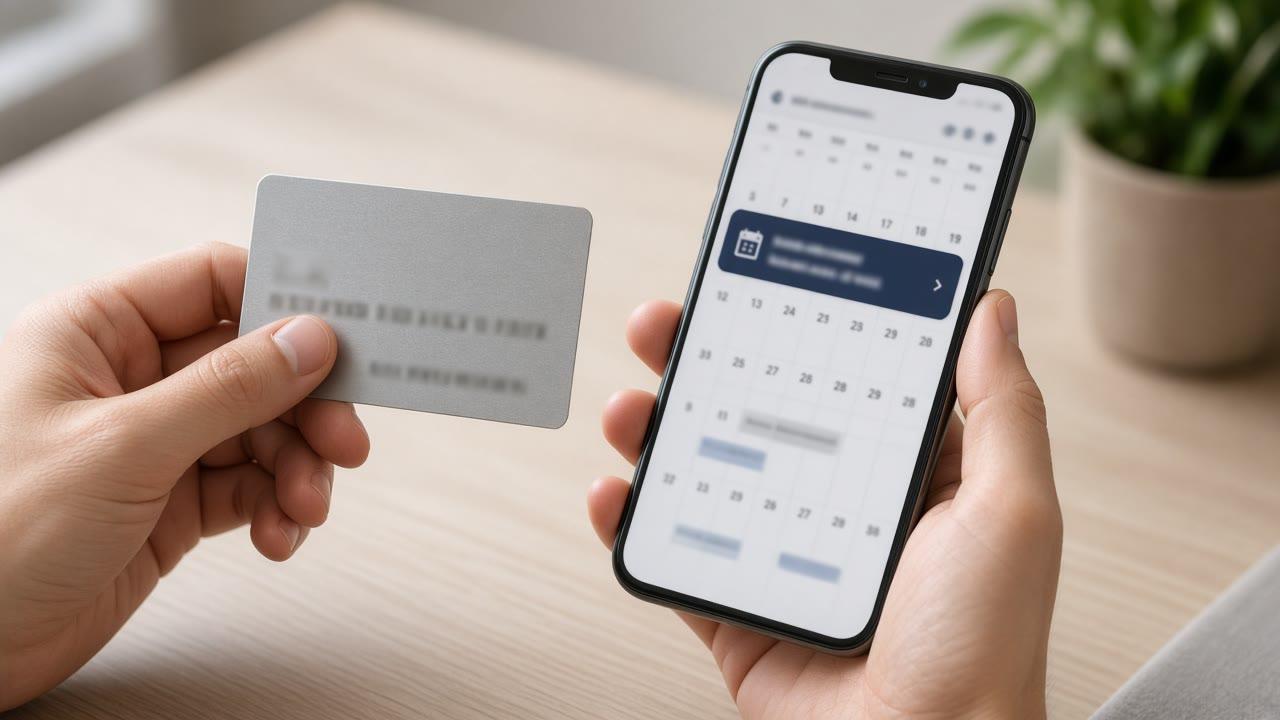
Your payment due date sits on every statement. Federally regulated issuers must give you at least a 21-day interest-free grace period on purchases when you pay the previous balance in full. That window starts after your statement date and ends on the due date shown.
Processing speed matters as much as the calendar date. FCAC notes that issuers process payments on business days, Monday through Friday.
If you pay from an account at a different institution, build in a few extra days so the money arrives and posts before the deadline.
If the due date falls on a weekend or holiday, FCAC says you can pay on the following business day and still count as on time. Confirm that policy with your issuer once, then stop guessing.
What Happens When You Miss
Skip the minimum payment or send it late and you risk more than a temporary inconvenience. According to FCAC, you may face:
- A higher interest rate on the account
- Damage to your credit score
- Loss of a promotional rate
- Cancellation of the card by your financial institution
Some issuers also charge a fee when a pre-authorized debit bounces for non-sufficient funds. That “dishonoured payment” fee stacks on top of interest and the stress of catching up. Read the information box and cardholder agreement so you know the exact consequences for your product—terms differ by bank.
Interest itself is the quiet cost. If you do not pay the statement balance in full by the due date, interest typically accrues from the purchase date until you clear what you owe. Rewards you earned that month can disappear under interest charges in a hurry.
Build a Payment System You Will Actually Use

Hope is not a system. Pick one method and automate the boring parts.
Calendar alerts. Add the statement date and due date to your phone the day a new statement lands.
Set a reminder three to five business days before the due date so you still have time to move money.
Autopay for the minimum. Many issuers let you schedule a pre-authorized payment of the minimum, a fixed dollar amount, or the full statement balance. Autopaying at least the minimum protects you from a total miss if a busy week swallows your attention. If cash flow is tight, minimum-plus-a-buffer is safer than hoping you remember.
Full-balance autopay when you can. If your chequing account reliably covers the statement, schedule the full balance. That preserves the grace period on purchases and keeps interest off your everyday spending.
Keep a float. Autopay fails when the linked account is empty. Leave a cushion in the funding account, or schedule the card payment a day after your payday lands.
Minimum Payment Is a Floor, Not a Goal
FCAC explains that the minimum is usually a flat dollar amount (often around $10 plus interest and fees) or the greater of a small dollar amount and a percentage of the balance (commonly around 3%; Quebec residents face a 5% minimum as of August 1, 2025). Paying only that floor stretches repayment for years and inflates interest.
Even an extra $50 or $100 a month shortens the runway dramatically. Treat the minimum as the emergency brake, not the cruise control.
Protect Rewards by Staying in Good Standing
Rewards only help when the account stays healthy. Cards with richer earn rates and benefits—such as the TD Cash Back Visa Infinite, which TD lists with a $139 annual fee on its product pagestill need on-time payments to keep promotional offers, insurance eligibility, and overall account standing intact.
You can review the live offer and apply through Great Canadian Rebates’ TD Cash Back Visa Infinite merchant page. Confirm every rate and fee on the issuer’s disclosure before you apply—offers change.
If you already carry a balance, stop the late mark first, then attack the highest-interest portion. Do not open a new rewards card to “earn your way out” of a payment problem.
A Simple Monthly Checklist
- Open the statement the day it arrives and note the due date and minimum.
- Decide full balance, fixed extra, or minimum-plus, based on your cash that month.
- Confirm the payment method will post in time (same-bank online is usually safest).
- Watch for a confirmation or posted payment before the due date.
- If you cannot make the minimum, call the issuer before the deadline.
Missing credit card payments is usually a process failure, not a character flaw. Fix the process once, and the card becomes a tool again instead of a monthly scramble.
Great Canadian Rebates can help you compare current Canadian card offers and earn rebates when you apply through the site. Lock in on-time payments first, then choose a product whose rewards match spending you already do.
We encourage everyone to visit Great Canadian Rebates to learn more about who we are and what we provide. When members experience a rebate-related technical issue or missing rebate, we invite them to reach out through our website. Explore available promotions, start earning eligible rebates, and discover rewarding shopping opportunities today.