


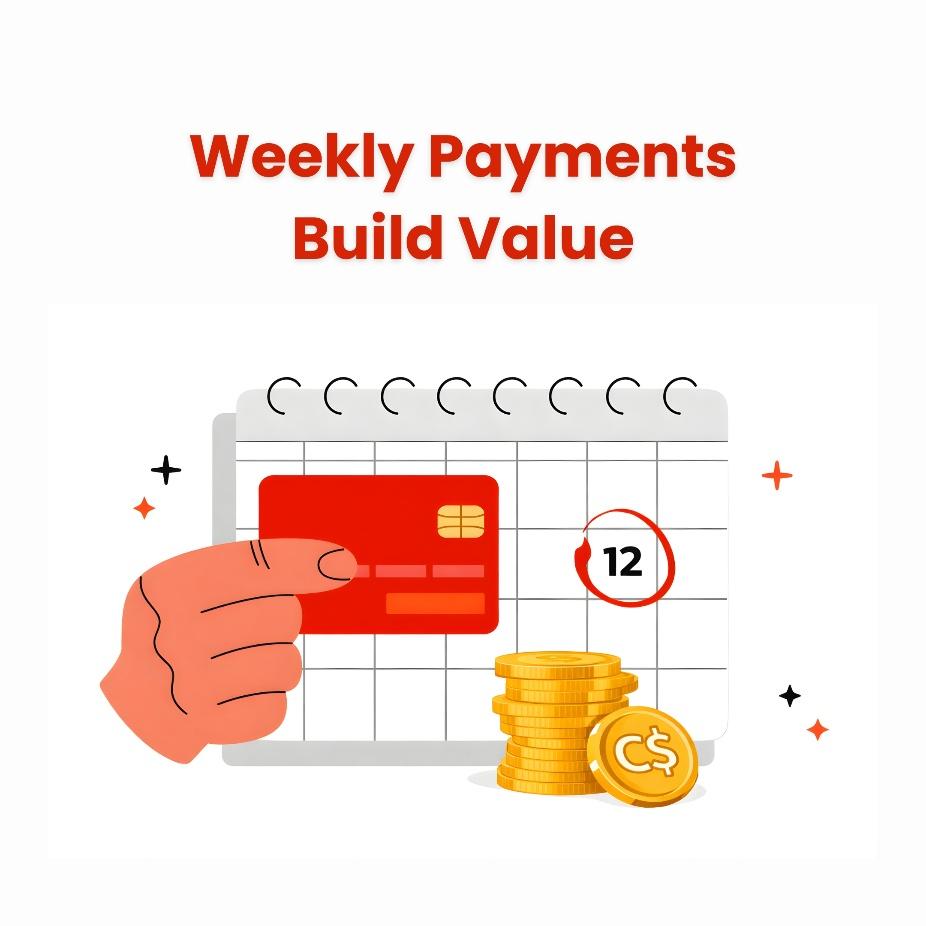
Paying a credit card weekly is a quiet behavioural shift that can change how credit activity appears to lenders without changing spending habits. Instead of waiting for a statement to close with a larger balance, smaller payments made throughout the month help keep reported balances low. This matters because credit reporting focuses on what appears on a statement date, not how responsibly purchases are spaced out. When balances stay modest, utilization looks controlled even when everyday spending remains the same.
In Canada, this approach is often discussed as weekly credit card payment utilization, a pattern that connects timing rather than total repayment to stronger credit signals. The idea becomes even more relevant when readers compare popular products in discussions such as Amex cobalt vs Amex gold in Canada, where everyday spending patterns influence how benefits are experienced. This article explores how weekly payments work in practice, why utilization matters more than many realize, and how this behaviour fits naturally into modern card use without turning credit management into a rigid budgeting exercise.
How Statement Timing Shapes Utilization Signals
Credit scores respond to what lenders see on reporting dates, not to the full story of monthly spending. Weekly payments change that snapshot. When balances are reduced several times before a statement closes, the reported amount often appears lower even if purchases continue. This is especially relevant for cards used for daily expenses such as groceries, fuel, and subscriptions, where spending happens consistently rather than occasionally. A single large balance at statement time can suggest strain, while several small reductions show active control and awareness.
Cards connected to rewards programs, including Marriott Bonvoy credit cards, are often used frequently, which makes timing more important than total spend. Weekly payments help keep these active cards from appearing maxed out on paper even during busy spending periods. This pattern also aligns well with accounts that link smoothly to chequing platforms such as BMO Performance Chequing Account, where regular transfers feel routine rather than reactive.
Why Smaller Payments Feel Easier Than Monthly Catch Ups
A large monthly payment can feel heavy even when funds are available, simply because it arrives all at once. Weekly payments break that weight into manageable actions that align with pay cycles and everyday cash flow, making them feel less disruptive. This structure makes consistency easier to maintain over time. Rather than waiting and then reacting to a growing balance, amounts are nudged downward regularly, reducing mental friction and financial stress. Premium cards like the Amex Business Platinum Card are often used for varied purchases, which can cause balances to rise quickly between statements.
Weekly payments soften that rise before it becomes noticeable. Even personal cards connected to lifestyle spending benefit from this rhythm. When purchases come from shopping portals, travel bookings, or digital marketplaces, spending can feel scattered and harder to track. Using weekly payments alongside common platforms such as Expedia allows spending enjoyment without the stress of watching balances climb unchecked.
Utilization Control Without Changing Spending Habits
One of the biggest misconceptions around credit improvement is that spending must be reduced or tightly restricted. Weekly payments challenge that idea by focusing on timing rather than limitation. The same purchases still happen, but balances are managed differently throughout the cycle. This is especially useful for cardholders who take advantage of frequent promotions, seasonal sales, or online deals that arrive unpredictably. Shopping through platforms like AliExpress often involves multiple small purchases, which can quietly add up on a statement.
Weekly payments prevent those totals from accumulating unchecked until the reporting date. This approach also works well with popular retail incentives such as Dell coupon code, where a larger single purchase might otherwise inflate a balance for weeks. By paying shortly after transactions post, utilization stays controlled while spending behaviour stays intact.
Rewards Cards Benefit Quietly From Lower Reported Balances
Rewards-focused cards encourage frequent use, which can unintentionally raise utilization. Weekly payments help keep these benefits enjoyable without creating negative signals. Cards offering food, transit, or streaming rewards are often swiped daily. Products tied to fashion or seasonal shopping, such as promotions found through Reitmans promo code, can cause brief balance spikes. Regular payments smooth those spikes before they appear on a statement.
This is equally helpful for digital-first retailers where impulse purchases are common, including deals like Shein coupon code. The value of rewards remains unchanged, but the credit profile looks steadier. Lower reported balances suggest discipline, which matters when lenders review applications. Weekly payments do not interfere with points or offers.
Cash Back Cards and the Psychology of Control
Cash back cards often feel simple, which can lead to less attention on balances. Weekly payments add structure without complexity. When rewards accumulate steadily, so do charges. Making frequent payments keeps the relationship between rewards earned and balances owed clear. Travel related spending through platforms like Priceline can introduce irregular charges that linger until a statement closes.
Weekly payments reduce that lag. The same applies to office or household purchases where deals such as Staples coupon code encourage bulk buying. Paying shortly after these transactions reinforces a sense of control. Psychologically, this reduces the feeling of carrying debt, even when balances are technically revolving. The credit system responds positively to that control, reflecting it through utilization metrics. Cash back remains a benefit, while reported behaviour looks measured and intentional. This mindset often leads to more confident card use over time.
Long Term Credit Perception and Product Access
Over time, weekly payments influence how lenders perceive reliability. Consistently low reported balances suggest stability, which supports approvals and limit growth. This matters for cardholders considering premium products like the Platinum Card Amex, where utilization history contributes to overall profile strength. It also benefits everyday cards used for groceries or bills, such as Tangerine Cash Back Card, where regular activity is common. Weekly payments ensure that regular use does not translate into high utilization on reports. This long term pattern builds a quiet track record of balance management. Access to better offers often depends on this perception rather than income alone. Weekly payments help shape that perception without drawing attention or requiring drastic changes. The result is a credit profile that reflects control, consistency, and readiness for future opportunities across different card tiers.
A Smarter Way to Align Habits With Credit Reporting
Credit systems measure behaviour in narrow windows. Weekly payments widen control over those windows. Instead of reacting to due dates, balances are guided continuously. This works well for cardholders who rotate between different cards or offers. Products like Tangerine World Mastercard encourage varied spending, which can complicate utilization tracking. Regular payments simplify that picture. Even cards promoted for everyday rewards, including the Amex cash back, benefit from steadier reporting.
Weekly payments are not about paying more. They are about paying sooner and more often. This subtle shift aligns real habits with how credit data is captured. Over months and years, the impact compounds into a profile that looks calm and controlled. That perception is what credit scoring models reward, especially when reviewing ongoing account behaviour rather than isolated moments.
Making Weekly Payments Work for Long Term Value
Using weekly payments is ultimately about visibility rather than restriction. Credit reports only show snapshots, and this habit improves what appears in those snapshots. For cardholders comparing products like Tangerine Cash Back Credit Card, understanding how usage looks on paper becomes just as important as reward rates. The same applies to cards offering strong food or transit rewards, including Amex Cobalt cash back.
Weekly payments allow these cards to be used fully while keeping utilization low. Even statement credits such as the Amex Cobalt rebate feel more effective when balances remain manageable. This habit turns timing into an advantage, supporting both enjoyment and long term credit strength. Over time, it becomes a natural rhythm rather than an extra task, fitting smoothly into everyday financial routines.
Turning Smart Payment Habits Into Lasting Rewards
Great Canadian Rebates begins this conversation by focusing on how small habits create meaningful long-term outcomes. Weekly payments highlight the need for visibility in credit reporting while keeping everyday spending comfortable and flexible.
Our platform provides clear information on popular Canadian credit cards and shows where added value appears through offers and rebates. When exploring options that feature Tangerine credit card cash back, weekly payments help ensure those rewards never conflict with utilization signals.
The same applies when reviewing premium options such as Amex Gold credit card, where consistent balance management supports broader access over time. What sets this approach apart is simplicity. No complex tracking, no reduced spending, just better timing. Visit the website to explore available card information, compare offers, and see how cash back rebates can add value when applying through the platform.