


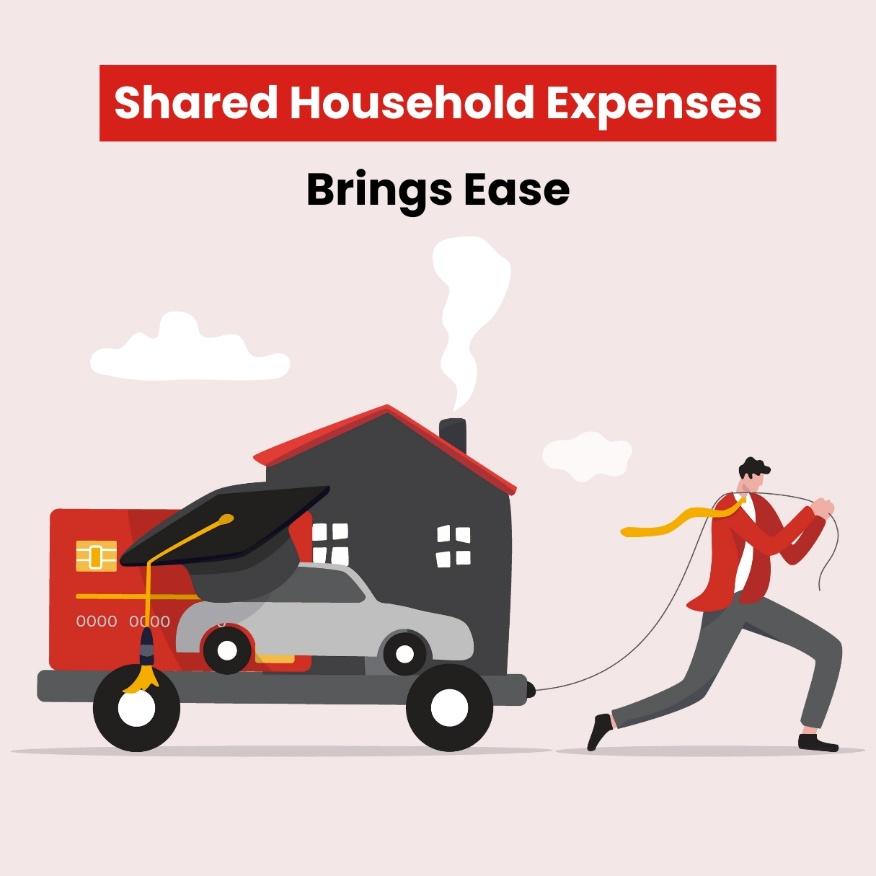
Talking about money inside a family can feel like walking a tightrope. On one side is the need for structure, visibility, and boundaries; on the other is trust, independence, and respect. For many households, credit cards are right in the middle of that balance. Parents want to know where money is going, teens want autonomy, students need flexibility, and shared households want fairness. The challenge is creating family credit card spending control without turning everyday purchases into interrogations.
Modern card features: authorized users, category tracking, soft spending limits, and real-time alerts, make it possible to guide spending without constant policing. When used thoughtfully, family cards can teach financial responsibility, simplify household budgeting, and reduce stress. The key is setting clear rules upfront and choosing structures that promote transparency rather than fear.
Below, we explore practical ways families can use separate cards or authorized users to track spending categories, set expectations, and keep everyone informed while still preserving trust and independence.
Why Separate Cards Work Better Than One Shared Wallet
One of the biggest mistakes families make is using a single card for multiple people. While it may feel simple at first, it quickly becomes confusing. Charges blur together, accountability disappears, and discussions shift from “What did we agree on?” to “Who spent this?”
Separate cards or authorized users solve this problem by design. Each person has their own card, but spending still rolls up into one account. Parents or primary cardholders can see activity by user, track categories, and review patterns without hovering over every purchase. This structure is especially useful when families want to keep an eye on discretionary spending while still earning rewards from everyday expenses like groceries, gas, or travel.
In households that already earn points or travel perks, perhaps through programs tied to Marriott Bonvoy credit cards. Separate cards make it easier to see how family spending contributes to shared goals, such as vacations, without micromanaging individual choices.
Setting Soft Limits That Teach, Not Punish
Limits don’t have to feel like walls. Soft limits—informal spending caps agreed upon in advance are often more effective than hard stops. Instead of declining transactions, soft limits encourage self-awareness and conversation.
For example, a family might agree that a teen has a monthly discretionary budget for entertainment, food outings, or online shopping. The card continues to work, but spending is reviewed together at the end of the month. This approach shifts the focus from “you broke a rule” to “let’s look at what happened.”
Soft limits also work well when paired with category tracking. If dining out or online shopping spikes, it’s easy to spot patterns and discuss trade-offs. Families who already manage cash flow through tools like a BMO Performance Chequing Account often find this model familiar, as it mirrors how everyday banking balances flexibility with oversight.
Practical Scenarios: Teens, Students, and Shared Households
Different family members need different levels of structure. A one-size-fits-all approach rarely works, but separate cards make customization easier.
Teens at home
For teens, authorized user cards can act as training wheels. Parents might allow spending in specific categories—school supplies, meals with friends, transportation—while reviewing statements together monthly. Occasional purchases from familiar retailers or seasonal deals, such as using a Team Town Sports discount code for sports gear, can become teachable moments about budgeting and timing purchases around promotions.
Students living away
Students often need flexibility for textbooks, groceries, and travel. Separate cards reduce the need for constant transfers while keeping spending visible. Purchases for flights, accommodations, or study breaks booked through platforms are easier to track and discuss when everyone sees the same statement. The goal isn’t restriction; it’s shared awareness.
Shared household expenses
In multi-adult households, separate cards simplify fairness. One card might be designated for groceries and utilities, another for household supplies or furniture. When shopping online—whether it’s essentials from AliExpress or electronics with a Dell coupon code—having clear categories prevents resentment and confusion later.
These scenarios show how structure can support independence rather than limit it.
Transparency Without Tension: Making Spending Visible
Many families also appreciate how reward structures reinforce transparency. Cards that offer incentives for everyday spending, such as grocery or transit rewards, naturally encourage conversations about where money goes. Said differently, earning points or rewards together can turn spending reviews into planning sessions rather than arguments.
This approach works especially well with cards known for flexible rewards structures, including options like the Amex Gold credit card, which families often associate with dining and daily purchases.
Using Rewards and Cash Back to Reinforce Good Habits
Rewards aren’t just perks; they’re feedback. When families see tangible benefits from organized spending, such as points, rebates, or travel credits, it reinforces positive habits.
Cash back categories can highlight where money is already flowing and where adjustments might help. Cards offering Tangerine cash back or flexible reward categories allow families to align spending with household priorities without changing daily routines. Over time, this visibility helps everyone understand the relationship between spending patterns and benefits earned.
For students and teens, rewards can be especially motivating. Seeing how routine purchases contribute to shared goals—like travel, gifts, or future expenses—adds meaning to budgeting. Even small wins, such as stacking store offers with card rewards or seasonal promotions, can reinforce mindful spending.
Choosing Structures That Grow With Your Family
Family finances aren’t static. Teens become students, students become working adults, and households evolve. The best spending control systems are flexible enough to grow with those changes.
Cards that offer adaptable reward structures or multiple user management tools support this evolution. Some families eventually transition older teens to their own primary cards while maintaining shared visibility during the transition period.
This long-term view helps families avoid the extremes of either total control or total hands-off management. Instead, spending rules become a living agreement that evolves with circumstances.
Using Authorized User Cards to Create Clear Spending Boundaries
Authorized user cards give families a practical way to separate spending without opening multiple full accounts. Each family member can have their own card, allowing purchases to be tracked individually while still rolling up into one main statement. This makes it easier to see patterns by person or category and avoids confusion over who spent what. When expectations are discussed upfront, such as which expenses are appropriate and how often spending will be reviewed, authorized user cards encourage accountability without constant oversight.
Turning Spending Reviews Into Collaborative Check-Ins
Regular spending reviews work best when they feel routine rather than corrective. Setting a consistent time—such as once a month—to look over transactions together helps normalize money conversations. These check-ins can highlight where budgets worked well, where adjustments might help, and how shared goals are progressing. By focusing on categories instead of individual purchases, families keep discussions productive and forward-looking.
Over time, these collaborative reviews build confidence for everyone involved. Teens and students begin to understand how everyday choices affect the bigger picture, while parents gain reassurance without needing to monitor constantly. When spending transparency is paired with open communication, control shifts from enforcement to shared responsibility, making money management feel like a team effort rather than a source of tension.
Final Thoughts: Control Without Conflict
At its core, family spending control isn’t about watching every dollar—it’s about clarity, communication, and shared expectations. Separate cards, soft limits, and transparent reviews make it easier to guide spending without constant enforcement. When everyone understands the rules and sees the same information, trust replaces tension.
Whether you’re managing teen allowances, supporting a student away from home, or coordinating shared household expenses, the right structure can turn credit cards into tools for learning rather than sources of conflict. With thoughtful setup and ongoing conversations, families can stay financially aligned without anyone feeling like the “money police.”
Smarter Family Spending Starts With the Right Credit Card Information
Great Canadian Rebates was built around the reality that families want better ways to manage everyday spending while still enjoying the benefits that come with credit cards. We focus on keeping information clear and accessible for anyone interested in offers tied to real-world value. It naturally leads to understanding how rewards, points, and rebates work across popular options from travel-focused cards like the Platinum Card Amex to everyday earners such as the American Express Cobalt and other leading choices. The platform shows how Members can compare major Canadian credit cards in one place, apply onlineand earn generous cash back rebates upon approval while also accessing deals from hundreds of well-known merchants. If you’re planning to apply for a new card or want to see how rebates and offers can complement your household spending, visit Great Canadian Rebates and explore how top-rated cash back credit cards can fit into your family’s approach.